4th of July Cat Face Embroidery Review
A Playful Touch for Patriotic Projects
As an experienced designer who's worked with countless machine embroidery designs, I always start by asking myself: does this design feel like it belongs on a finished product? The 4th of July Cat Face immediately catches the eye with its whimsical charm and patriotic flair. It’s a clever blend of holiday spirit and animal cuteness that feels right at home in a variety of custom apparel and handmade products.
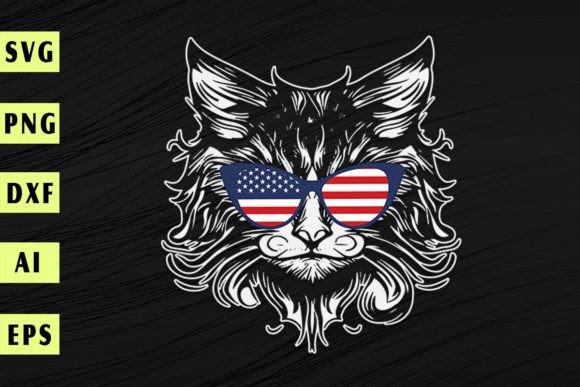
The layout is simple but effective. The cat face is centered and expressive, with subtle details that add character without overwhelming the design. It has a friendly, approachable vibe that would appeal to both kids and adults—perfect for a range of projects from baby clothes to tote bags.
How It Stands Up in Real Embroidery Situations
When considering how 4th of July Cat Face performs in real-life scenarios, I think about how it would look stitched onto different materials. For example, if I were designing a custom embroidered sweatshirt for a boutique line, I’d imagine how the cat’s features would translate through satin stitch and fill stitch techniques.
This design works well on larger surfaces like tote bags or pillow covers where there’s room for the full expression of the cat’s face. On smaller items such as caps or patches, it still maintains clarity and visual appeal, especially when using proper stabilizer and thread color contrast.
I can see this design fitting into a holiday gift collection, particularly for those who love personalized gifts with a touch of humor. It could also be a hit as part of a set of embroidered patches for a small shop selling handmade products or as a unique addition to a digital product line for Etsy sellers.
Where to Use It Carefully
While 4th of July Cat Face is versatile, there are a few situations where extra attention is needed. When working with small hoop sizes, it’s important to ensure that the design doesn’t get distorted or lose detail during the stitching process. Similarly, on stretchy fabrics or dark-colored garments, checking the thread colors and stitch density becomes crucial to maintain the design’s visibility and integrity.
If you're planning to use this on a curved surface like a cap or a hat, testing the design on scrap fabric first is a must. This will help identify any potential issues with stitch placement or fabric texture before committing to a final product.
Also, when using this design for commercial embroidery projects, make sure to confirm the licensing terms before selling any finished items or digital products. Always check the file formats, hoop size requirements, and machine compatibility details provided by the seller.
Design Impact and Practical Considerations
The visual appeal of 4th of July Cat Face is strong, but how it translates to the finished product depends on several factors. Stitching clarity, fabric choice, and thread color all play a role in the final presentation. A well-executed version of this design can elevate the handmade presentation of your product and increase customer trust, especially when used in personalized gifts or boutique branding.
For craft businesses or Etsy sellers, this design offers a unique angle for holiday-themed merchandise. Whether it's a custom t-shirt design or an embroidered patch, the 4th of July Cat Face adds a touch of personality that can stand out in a crowded marketplace.
It’s also worth noting how this design affects brand consistency. If you're creating a series of patriotic-themed products, this cat face could serve as a recurring motif that customers come to recognize and appreciate over time.
Embroidery Designer Notes
Before using 4th of July Cat Face in a real project, take some time to test it on scrap fabric. Check the stitch density and review the thread color contrast, especially if you plan to use it on dark fabric. Confirm the hoop size required and inspect the small details to ensure they won't get lost during the embroidery process.
Testing it in black and white mockups can also help determine how well the design stands out on different backgrounds. Always use proper stabilizer to prevent puckering, and don’t forget to compare how it looks on light versus dark fabric before finalizing your product.
Lastly, make sure you understand the licensing terms and whether this design is suitable for both personal and commercial use. These considerations will help you avoid any legal issues down the road and ensure your finished product meets the standards of professionalism and quality expected by your customers.